Quick Navigation

Tsum Valley Trek

Tsum Valley Trek 16 Days, Moderate

Expert Local Guides
Award Winning Adventures
Safe Shopping Guarantee
Lowest Price Guarantee

0/5 from 0 Reviews
16 Days from
per person

Grading: Moderate

Max Elevation 3,705 m - Mu Gompa

Best Season Spring & Autumn

Meals
Full Board During Trek

Accommodation Premium Hotel & Mountain Lodges

Transportation
Private or Public Vehicle

Enter one of Nepal’s most sacred and culturally preserved Himalayan valleys, where ancient monasteries, prayer flags, mani walls, remote villages, and dramatic mountain scenery create a deeply spiritual trekking experience.

Tsum Valley Trek Highlights

  • Explore the sacred hidden valley of Tsum
  • Visit Mu Gompa and other important Buddhist sites
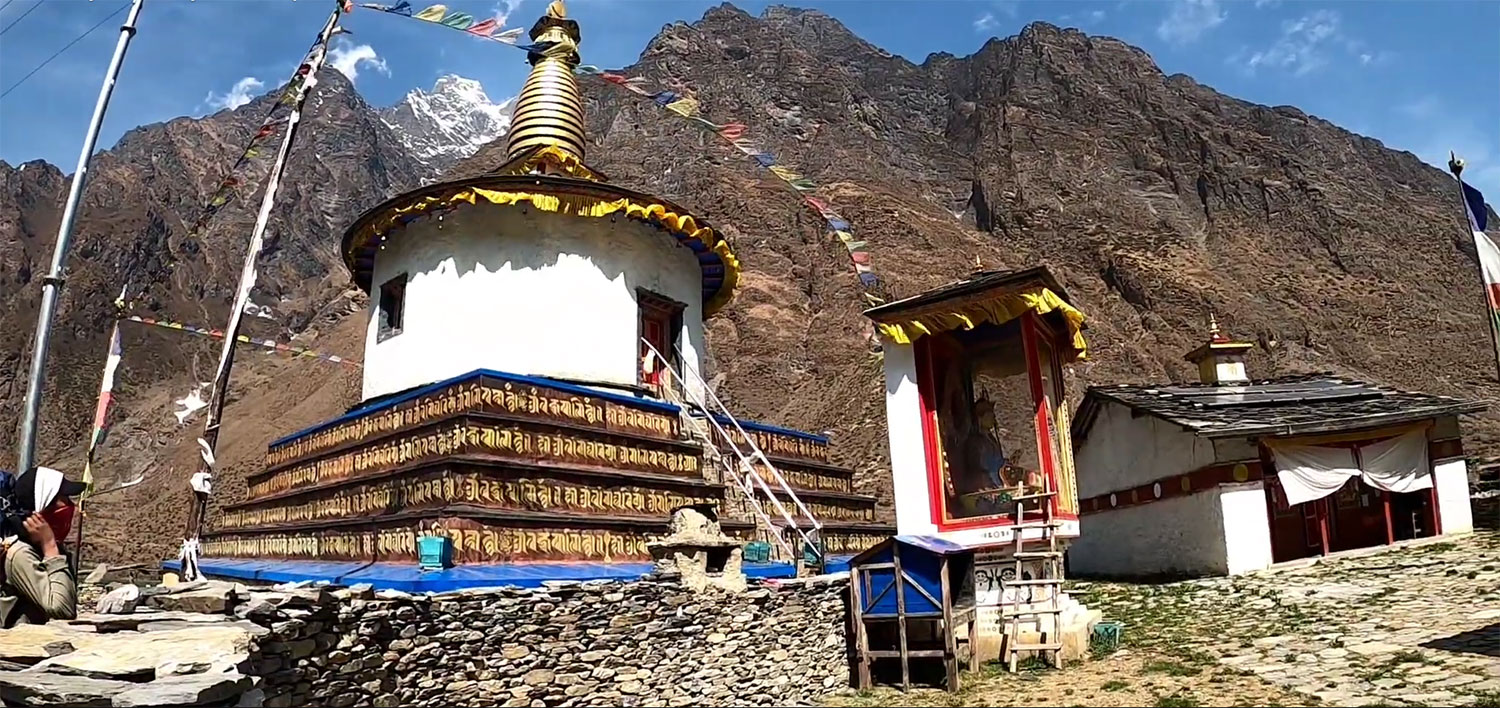
  • Experience ancient Tibetan-influenced culture and monastery life
  • Walk through remote villages including Chumling, Chhokang Paro, Nile, and Lokpa
  • Enjoy views of Siringi Himal, Buddha Himal, Ganesh Himal, and surrounding peaks
  • Travel through the Manaslu Conservation Area
  • Ideal for culture seekers who want a remote trek without a high pass crossing

TRIP OVERVIEW Tsum Valley Trek

The Tsum Valley Trek begins with a drive to Soti Khola and follows the lower Manaslu trail through Machha Khola and Jagat.

From Lokpa, the route turns into the sacred Tsum Valley, a region known for preserved Tibetan Buddhist culture, remote villages, monastery sites, and a peaceful spiritual atmosphere.

The trail passes Chumling, Chhokang Paro, and Nile before reaching Mu Gompa, the highest and most meaningful cultural highlight of the journey.

Unlike the full Manaslu Circuit, this trek does not cross Larkya La Pass, making it a more moderate option for travellers who want remoteness and culture without a very high pass crossing.

The route returns through Chumling, Ekle Bhatti, Dovan, and Soti Khola before driving back to Kathmandu.

Tsum Valley Trek By The Numbers

The Tsum Valley Trek has been positioned as a premium Trek O'Clock journey with a clear selling angle: sacred cultural valley without the difficulty of a high pass crossing.

Key Expedition Numbers

  • 16 days total journey
  • 13 days trekking and road journey
  • 3,705 metres highest point at Mu Gompa
  • 3,361 metres at Nile
  • 3,031 metres at Chhokang Paro
  • Sacred restricted-valley style cultural route
  • No high pass crossing required
  • One of Nepal’s most spiritual off-beat treks

Expedition Highlights

  • Explore the sacred hidden valley of Tsum
  • Visit Mu Gompa and other important Buddhist sites
  • Experience ancient Tibetan-influenced culture and monastery life
  • Walk through remote villages including Chumling, Chhokang Paro, Nile, and Lokpa
  • Enjoy views of Siringi Himal, Buddha Himal, Ganesh Himal, and surrounding peaks
  • Travel through the Manaslu Conservation Area
  • Ideal for culture seekers who want a remote trek without a high pass crossing

Why Trek This Route With Trek O’Clock

The Tsum Valley Trek is designed for travellers who want more than a standard itinerary. It gives this package a clear identity around sacred cultural valley without the difficulty of a high pass crossing.

At Trek O’Clock, we combine experienced local guides, carefully paced walking days, cultural insight, safety-first trekking operations, and warm hospitality to create a journey that feels personal, premium, and unforgettable.

Perfect For

  • Culture-focused travellers
  • First-time remote-region trekkers with good fitness
  • Guests interested in monasteries and Tibetan Buddhist traditions
  • Photographers seeking spiritual and village landscapes
  • Travellers wanting a quieter alternative to Everest and Annapurna

Why Travellers Love This Trek

  • Deep cultural identity and sacred atmosphere
  • No technical high pass crossing
  • Remote but moderate compared with full Manaslu Circuit
  • Strong monastery and village experience
  • A peaceful route with strong storytelling value

Himalayan Peaks You’ll Witness Along The Journey

The route offers memorable Himalayan scenery from forests, villages, river valleys, ridgelines, monasteries, high passes, or glacier viewpoints depending on the itinerary.

Major Mountains Seen During The Trek

Himalayan Peak

Elevation

Why It’s Special

Mount Manaslu

8,163 m

The world’s eighth-highest mountain and the crown of the Manaslu region

Annapurna II

7,937 m

A dramatic Annapurna peak visible after crossing toward the Annapurna side

Himlung Himal

7,126 m

A remote Himalayan giant seen from high sections of the route

Cheo Himal

6,820 m

A striking peak near the Larkya La region

Ngadi Chuli

7,871 m

One of the great peaks of the Manaslu massif

Siringi Himal

7,187 m

A beautiful peak visible from the Tsum and Manaslu region

Buddha Himal

6,672 m

A sacred-looking snow peak associated with the Tsum Valley skyline

Ganesh Himal

7,422 m

A beautiful Himalayan range visible from the Tsum Valley region

SHORT ITINERARY Tsum Valley Trek

Day 1: Kathmandu Arrival
30–45 minutes/1,400 m

Day 2: Trek Preparation Day

Day 3: Drive from Kathmandu to Soti Khola
9 hours/Soti Khola (700 m)

Day 4: Trek to Machha Khola
5-6 hours/Machha Khola (930 m)

Day 5: Trek to Jagat
6-hour/Jagat (1340 m)

Day 6: Trek to Lokpa
5-6 hours/Lokpa (2240 m)

Day 7: Trek to Chumling
4-5 hours/Chumling (2386 m)

Day 8: Trek to Chhokang Paro/Chhekam Park
5-6 hours/Chhokang Paro/Chhekam Park (3031 m)

Day 9: Trek to Nile
5-6 hours/Nile (3361 m)

Day 10: Trek to Mu Gompa, and return to Chhokang Paro/Chhekam Park
6-7 hours/Mu Gompa (3705 m), Chhokang Paro/Chhekam Park (3031 m)

Day 11: Trek to Chumling
5-6 hours/Chumling (2386 m)

Day 12: Trek to Ekle Bhatti
5-6 hours/Ekle Bhatti (1600 m)

Day 13: Trek to Dovan
5-6 hours/Dovan (1070 m)

Day 14: Trek to Soti Khola
5-6 hours/Soti Khola (700 m)

Day 15: Drive to Kathmandu
6-7 hours/Kathmandu (1400 m)

Day 16: Departure

Mountain Comforts & Himalayan Hospitality

Accommodation during the Tsum Valley Trek combines carefully selected city comfort with authentic mountain lodge and teahouse experiences.

In Kathmandu, enjoy premium hotel accommodation before and after the trek. During the trekking route, stay in local lodges, teahouses, or tented camps where required by the route.

Facilities in remote areas are simple, but the warmth of local hospitality, mountain meals, and shared stories in the dining room become a memorable part of the journey.

Accommodation Includes

  • Premium hotel accommodation in Kathmandu
  • Comfortable local lodges and teahouses during the trek
  • Twin-sharing rooms
  • Basic bedding including mattress, pillow, and blanket
  • Shared bathrooms in many trekking locations
  • Warm communal dining areas
  • Authentic local hospitality throughout the trail

Food During The Trek

Meals during the trek are designed to support energy, warmth, and recovery.

Breakfast, lunch, and dinner are included during trekking days. Menus usually include Nepali, Tibetan, Indian, and simple international dishes, depending on the location and availability.

In sacred Buddhist areas of Manaslu and Tsum Valley, meat may be limited or avoided due to local cultural and religious practice. Vegetarian meals are widely available.

Drinking Water

Safe drinking water is important throughout the trek. Boiled water, bottled water, and filtered water may be available at lodges depending on location.

We recommend carrying a reusable bottle and using purification tablets, drops, or a filtration system. Bottled water, boiled water, hot drinks, and extra beverages are usually considered personal expenses.

Is This Trek Right For You?

The Tsum Valley Trek is a moderate Himalayan journey suitable for travellers with good preparation, steady walking ability, and a positive mindset.

The trek reaches 3,705 metres at Mu Gompa. It includes daily walking on uneven trails, uphill and downhill sections, changing weather, simple mountain accommodation, and remote-area conditions.

At Trek O'Clock, our guides support you with steady pacing, rest stops, hydration reminders, route management, altitude awareness, and encouragement throughout the journey.

Recommended Preparation

  • Regular walking, hiking, or cardio exercise before the trek
  • Basic endurance and leg-strength preparation
  • Comfortable, well-tested hiking boots
  • Ability to walk several hours over multiple days
  • A positive mindset and willingness to embrace remote mountain conditions
  • Willingness to follow guide advice and maintain a steady pace

Trekking Safely Through The Tsum Valley and Manaslu Region

The Tsum Valley Trek reaches 3,705 metres at Mu Gompa, so altitude awareness, steady pacing, hydration, and guide support are important.

At Trek O'Clock, your safety and comfort remain our highest priorities throughout the journey. The itinerary is paced to support acclimatisation, route confidence, and informed decision-making in changing mountain conditions.

Understanding Altitude

As elevation increases, some travellers may experience mild symptoms while adjusting to thinner air.

  • Mild headache
  • Fatigue
  • Light dizziness
  • Difficulty sleeping
  • Reduced appetite
  • Shortness of breath during exertion

Most mild symptoms improve with rest, hydration, food, and proper pacing. However, altitude sickness must always be taken seriously, and trekkers should inform their guide immediately if symptoms appear or worsen.

Safety Measures Included

  • Experienced licensed Himalayan trekking guides
  • Carefully paced trekking itinerary
  • Daily wellness and altitude awareness monitoring
  • First-aid support
  • Emergency response planning
  • Communication support during the trek
  • Guide decision-making based on safety and individual condition
  • Emergency evacuation coordination if required

Spring & Autumn Seasons

The best seasons for the Tsum Valley Trek are Spring and Autumn. These periods usually offer stable weather, clearer mountain views, and better trekking conditions.

Spring - March To May

Spring brings warmer temperatures, blooming rhododendron forests, longer daylight hours, and colourful mountain scenery. This is one of the most beautiful seasons for walking through forests, villages, and higher valleys.

Autumn - September To November

Autumn offers fresh post-monsoon air, clearer skies, sharp mountain views, and comfortable trekking conditions. It is one of the best seasons for photography and high-altitude trekking in Nepal.

Challenging Seasons

Winter and monsoon are more challenging. Winter can bring cold mornings, snow or icy trails at higher elevations, and shorter daylight hours. Monsoon can bring rain, clouds, slippery trails, leeches in lower regions, and reduced mountain visibility.

Your Tsum Valley Trek includes private airport transfers and route transportation as outlined in the itinerary.

Included Transportation

  • Private international airport transfers in Kathmandu
  • Kathmandu to Soti Khola road transfer
  • Return road transfer from the ending point as outlined in the itinerary
  • Private jeep upgrade available on request

Remote Road Access Note

Road conditions in the Manaslu region can vary depending on weather, landslides, and seasonal maintenance. Trek O’Clock will arrange suitable transport and advise guests about current road conditions before departure.

The Tsum Valley Trek requires official trekking, conservation, national park, or restricted-area permits depending on the exact route and current regulation.

Permit rules and fees can change, so Trek O’Clock will confirm the latest official requirements before departure and arrange the necessary documentation for your trip.

Commonly Required Permits

  • Tsum Valley Restricted Area Permit if required by current regulation
  • Manaslu Conservation Area Permit
  • Chumnubri Rural Municipality Permit if required
  • Trekkers’ Information Management System card if required by current regulation

Travellers should carry a valid passport and passport-sized photos or digital copies as required.

Essential Trekking Gear

Packing properly is important for comfort and safety on the Tsum Valley Trek. Weather can change quickly in the Himalayas, especially around ridgelines, high valleys, and pass areas.

Clothing

  • Down jacket or warm insulated jacket
  • Waterproof shell jacket
  • Fleece jacket
  • Thermal base layers
  • Trekking pants
  • Moisture-wicking shirts
  • Warm hat and sun hat
  • Gloves and inner gloves
  • Buff, scarf, or neck warmer
  • Hiking socks

Footwear

  • Comfortable, well-tested hiking boots
  • Camp shoes or sandals
  • Warm socks
  • Gaiters if trekking in snow, mud, or wet conditions

Accessories

  • Sunglasses with UV protection
  • Sunscreen and lip balm
  • Reusable water bottle
  • Water purification tablets or filtration system
  • Headlamp with spare batteries
  • Power bank
  • Trekking poles
  • Small daypack
  • Dry bags or rain cover
  • Camera or phone for photography

Personal Items

  • Passport
  • Travel insurance documents
  • Passport photos or digital copies
  • Personal medication
  • Toiletries and hygiene products
  • Hand sanitiser
  • Quick-dry towel
  • Snacks or energy bars
  • Basic personal first-aid items

Your Trek O'Clock guide will advise if any additional gear is recommended for your travel season.

Mountain Comforts & Himalayan Hospitality

Accommodation during the Tsum Valley Trek combines carefully selected city comfort with authentic mountain lodge and teahouse experiences.

In Kathmandu, enjoy premium hotel accommodation before and after the trek. During the trekking route, stay in local lodges, teahouses, or tented camps where required by the route.

Facilities in remote areas are simple, but the warmth of local hospitality, mountain meals, and shared stories in the dining room become a memorable part of the journey.

Accommodation Includes

  • Premium hotel accommodation in Kathmandu
  • Comfortable local lodges and teahouses during the trek
  • Twin-sharing rooms
  • Basic bedding including mattress, pillow, and blanket
  • Shared bathrooms in many trekking locations
  • Warm communal dining areas
  • Authentic local hospitality throughout the trail

Food During The Trek

Meals during the trek are designed to support energy, warmth, and recovery.

Breakfast, lunch, and dinner are included during trekking days. Menus usually include Nepali, Tibetan, Indian, and simple international dishes, depending on the location and availability.

In sacred Buddhist areas of Manaslu and Tsum Valley, meat may be limited or avoided due to local cultural and religious practice. Vegetarian meals are widely available.

Drinking Water

Safe drinking water is important throughout the trek. Boiled water, bottled water, and filtered water may be available at lodges depending on location.

We recommend carrying a reusable bottle and using purification tablets, drops, or a filtration system. Bottled water, boiled water, hot drinks, and extra beverages are usually considered personal expenses.

Is This Trek Right For You?

The Tsum Valley Trek is a moderate Himalayan journey suitable for travellers with good preparation, steady walking ability, and a positive mindset.

The trek reaches 3,705 metres at Mu Gompa. It includes daily walking on uneven trails, uphill and downhill sections, changing weather, simple mountain accommodation, and remote-area conditions.

At Trek O'Clock, our guides support you with steady pacing, rest stops, hydration reminders, route management, altitude awareness, and encouragement throughout the journey.

Recommended Preparation

  • Regular walking, hiking, or cardio exercise before the trek
  • Basic endurance and leg-strength preparation
  • Comfortable, well-tested hiking boots
  • Ability to walk several hours over multiple days
  • A positive mindset and willingness to embrace remote mountain conditions
  • Willingness to follow guide advice and maintain a steady pace

Trekking Safely Through The Tsum Valley and Manaslu Region

The Tsum Valley Trek reaches 3,705 metres at Mu Gompa, so altitude awareness, steady pacing, hydration, and guide support are important.

At Trek O'Clock, your safety and comfort remain our highest priorities throughout the journey. The itinerary is paced to support acclimatisation, route confidence, and informed decision-making in changing mountain conditions.

Understanding Altitude

As elevation increases, some travellers may experience mild symptoms while adjusting to thinner air.

  • Mild headache
  • Fatigue
  • Light dizziness
  • Difficulty sleeping
  • Reduced appetite
  • Shortness of breath during exertion

Most mild symptoms improve with rest, hydration, food, and proper pacing. However, altitude sickness must always be taken seriously, and trekkers should inform their guide immediately if symptoms appear or worsen.

Safety Measures Included

  • Experienced licensed Himalayan trekking guides
  • Carefully paced trekking itinerary
  • Daily wellness and altitude awareness monitoring
  • First-aid support
  • Emergency response planning
  • Communication support during the trek
  • Guide decision-making based on safety and individual condition
  • Emergency evacuation coordination if required

Spring & Autumn Seasons

The best seasons for the Tsum Valley Trek are Spring and Autumn. These periods usually offer stable weather, clearer mountain views, and better trekking conditions.

Spring - March To May

Spring brings warmer temperatures, blooming rhododendron forests, longer daylight hours, and colourful mountain scenery. This is one of the most beautiful seasons for walking through forests, villages, and higher valleys.

Autumn - September To November

Autumn offers fresh post-monsoon air, clearer skies, sharp mountain views, and comfortable trekking conditions. It is one of the best seasons for photography and high-altitude trekking in Nepal.

Challenging Seasons

Winter and monsoon are more challenging. Winter can bring cold mornings, snow or icy trails at higher elevations, and shorter daylight hours. Monsoon can bring rain, clouds, slippery trails, leeches in lower regions, and reduced mountain visibility.

Your Tsum Valley Trek includes private airport transfers and route transportation as outlined in the itinerary.

Included Transportation

  • Private international airport transfers in Kathmandu
  • Kathmandu to Soti Khola road transfer
  • Return road transfer from the ending point as outlined in the itinerary
  • Private jeep upgrade available on request

Remote Road Access Note

Road conditions in the Manaslu region can vary depending on weather, landslides, and seasonal maintenance. Trek O’Clock will arrange suitable transport and advise guests about current road conditions before departure.

The Tsum Valley Trek requires official trekking, conservation, national park, or restricted-area permits depending on the exact route and current regulation.

Permit rules and fees can change, so Trek O’Clock will confirm the latest official requirements before departure and arrange the necessary documentation for your trip.

Commonly Required Permits

  • Tsum Valley Restricted Area Permit if required by current regulation
  • Manaslu Conservation Area Permit
  • Chumnubri Rural Municipality Permit if required
  • Trekkers’ Information Management System card if required by current regulation

Travellers should carry a valid passport and passport-sized photos or digital copies as required.

Essential Trekking Gear

Packing properly is important for comfort and safety on the Tsum Valley Trek. Weather can change quickly in the Himalayas, especially around ridgelines, high valleys, and pass areas.

Clothing

  • Down jacket or warm insulated jacket
  • Waterproof shell jacket
  • Fleece jacket
  • Thermal base layers
  • Trekking pants
  • Moisture-wicking shirts
  • Warm hat and sun hat
  • Gloves and inner gloves
  • Buff, scarf, or neck warmer
  • Hiking socks

Footwear

  • Comfortable, well-tested hiking boots
  • Camp shoes or sandals
  • Warm socks
  • Gaiters if trekking in snow, mud, or wet conditions

Accessories

  • Sunglasses with UV protection
  • Sunscreen and lip balm
  • Reusable water bottle
  • Water purification tablets or filtration system
  • Headlamp with spare batteries
  • Power bank
  • Trekking poles
  • Small daypack
  • Dry bags or rain cover
  • Camera or phone for photography

Personal Items

  • Passport
  • Travel insurance documents
  • Passport photos or digital copies
  • Personal medication
  • Toiletries and hygiene products
  • Hand sanitiser
  • Quick-dry towel
  • Snacks or energy bars
  • Basic personal first-aid items

Your Trek O'Clock guide will advise if any additional gear is recommended for your travel season.

DETAILED ITINERARY Tsum Valley Trek

A Trek O'Clock representative will welcome you at Tribhuvan International Airport. After airport formalities, transfer to your hotel. Relax, recover from your flight, and prepare for the journey ahead. Overnight in Kathmandu.

The trek preparation day starts with a greet and meet with the trekking team. Interact with our trek guide for a trek briefing. All documentation process takes place and we look after them, so there is no need to worry. You only need to provide us with the essential documents.

There is an optional Kathmandu Sightseeing for interested travelers at an additional charge. Overnight in Kathmandu.

A vehicle drive to Soti Khola commences after breakfast. Admire the beautiful scenery throughout the way from Kathmandu to Soti Khola. Pass the Trishuli River and navigate to Arughat through dense forests. Drive along the western bank of the Budhi Gandaki River to arrive at the lovely village of Soti Khola.

Overnight at a mountain lodge. (Optional: Private jeep is available with applicable extra cost.)

Walk on the bridge over the Soti Khola passing through dense forest. Traverse through the beautiful settlements of Labubensi and Khanbensi following the banks of the Budhi Gandaki River. Enjoy the beautiful mountain vistas in the backdrop. The trail section is a little bit demanding but achievable.

Walk on a narrow trail for the final part of the trek to arrive at Machha Khola. Overnight at a mountain lodge.

The trek starts ascending to the hill farmlands of the Gurung settlement. It passes through the lovely villages of Khorla Bensi, Tatopani, Dovan, Thulo Dunga, and Yaruphant. During the trek, relish the picturesque views and hot water springs. Reach Jagat for an overnight stay.

After collecting the permit at Jagat, proceed on a flat trail to Sirdibas. Navigate through hilly farmlands enjoying the beautiful Himalayan views. Traverse a bridge to reach Philim, and continue to trek on a trail surrounded by beautiful forests and hills. Walk for an hour to arrive at Lokpa. Overnight at a mountain lodge

The trail is peaceful surrounded by tropical rhododendron and pine forests. Walk on ascending and descending trails which can be a bit challenging. It is best to have energy bars to make a trek a little easier. Cross a small suspension bridge and pass several monasteries.

Get some glimpses of the lovely Ganesh Himal while entering the Chumling village. Overnight at a mountain lodge.

Traverse the suspension bridge adoring the lovely hilly farmlands. Get a glimpse of small stone-patched houses and fertile farmlands with different crops. The ascending trail after Shyarpu Khola is strenuous but rewarding with the picturesque vistas.

Enter the Gho village and continue trekking to one of the Tsum Valley’s largest villages called Chhokang Paro. Overnight at a mountain lodge.

Walk on an ascending trail and pass through the sacred Piren Phu Cave. Also, get sights of beautiful Gompas. Continue to trek and if time permits, visit the popular Rachen Gompa. The stunning mountain views in the backdrop make it more pleasant. The small settlements, lovely people, and beautiful views create memorable moments.

Walk for a few hours and reach Nile for an overnight stay.

Mu Gompa is the highest section of the Tsum Valley trek at 3,705 m. Ascend gradually, and enjoy the views of mountain flowers and lush Himalayan vegetation en route to the largest monastery in the Tsum region. Reach at the revered Mu Gompa and explore the culturally significant monastery.

If time permits visit one of the oldest monasteries Dhephyudoma Gompa in the Tsum Valley. The culturally rich Gompa, and its surrounding beauty with towering mountain vistas like Buddha, Ganesh, and Siringi Himal make it a phenomenal trek. Return to Chhokang Paro/Chhekam Park to spend a night at the lodge.

Pass through the Gho settlement and cross a suspension bridge toward Rainjam Village. Follow the trail that leads deeper into the Tsum Valley. Continue the trail to enter the beautiful village of Chumling. Overnight at a mountain lodge.

Walk on a descending trail taking trekkers to the confluence point of Manaslu. From there onward, walk downhill before ascending toward a cascading waterfall. Enjoy the picturesque scenery amid the rugged terrain to arrive at Ekle Bhatti. Overnight at a mountain lodge.

Adoring the stunning landscapes and hill vegetation descend to Dovan. Enjoy the breathtaking mountain vistas while passing the beautiful settlements of Philim, Sirdibas, and Yaru Phat before reaching Dovan. Overnight at a mountain lodge.

Trekkers pass through the trails of terraced farms and fields along the Budhi Gandaki River. Admire the several cascading waterfalls and traverse beautiful villages while returning to Soti Khola. Overnight at a mountain lodge.

Head to Kathmandu after breakfast. Enjoy the surroundings and get transferred to the hotel for rest. Join us in the evening for a farewell dinner. Enjoy the last night in Kathmandu at an authentic Nepali restaurant or meals of preference. Overnight in Kathmandu.

The representative transfers our guests to the airport for final departure as per their flight schedule after the completion of the trek. Feel free to connect with us for extended stays in Nepal. Wish our guests a happy journey and hope to see you again.

What's included?

  • Premium airport transfers throughout your journey
  •  Premium hotel accommodation in Kathmandu
  •  Local lodge and Himalayan teahouse accommodation during the trek
  •  Experienced licensed English-speaking trekking guide
  •  Porter support for a more comfortable trekking experience
  •  Full-board meals during trekking days
  •  Breakfast in Kathmandu
  •  Route transportation as outlined in the itinerary
  •  Required trekking permits as per current regulations
  •  Sleeping bag, down jacket, duffel bag, and basic trekking support equipment where applicable
  •  First-aid support and emergency planning
  •  Guide and porter wages, meals, accommodation, transportation, and insurance
  •  Trek O’Clock operational support throughout the journey
  •  Farewell dinner in Kathmandu
  •  Trip completion certificate

What's not included?

  • International flights
  •  Nepal visa fees
  •  Personal travel insurance
  •  Lunch and dinner in Kathmandu unless specified
  •  Personal trekking gear purchases
  •  Wi-Fi, charging fees, hot showers, laundry, and bottled drinks on the trail
  •  Extra meals, snacks, desserts, and beverages
  •  Personal expenses
  •  Tips for guides, porters, and drivers
  •  Extra baggage charges where applicable
  •  Kathmandu sightseeing costs unless included in your package
  •  Additional accommodation caused by delays, weather, illness, road conditions, flight delays, or itinerary changes
  •  Any expenses not listed under the included section

Group Joining Dates & Prices

FAQ's

The Tsum Valley Trek is considered moderate. It does not require expedition climbing experience, but it does require preparation, steady pacing, comfort with mountain trails, and a positive mindset.

Previous trekking experience is helpful. For difficult or remote routes, previous multi-day hiking experience is strongly recommended. Trek O’Clock will help assess suitability based on your fitness and travel goals.

The highest point is 3,705 metres at Mu Gompa. This is one of the major highlights of the journey and requires steady pacing and proper altitude awareness.

Tsum Valley is known for its sacred Buddhist culture, remote villages, monasteries, mani walls, prayer flags, and ancient Himalayan traditions that remain deeply preserved

Altitude affects everyone differently. The itinerary is paced to support acclimatisation, and guides monitor trekkers carefully. Walking slowly, staying hydrated, eating well, and following guide advice are essential.

In Kathmandu, travellers stay in premium hotel accommodation. During the trek, accommodation is in local lodges, teahouses, or tented camps depending on the route. Facilities are simple in remote and higher areas.

Breakfast, lunch, and dinner are included during trekking days. Meals usually include Nepali, Tibetan, Indian, and simple international dishes depending on location and availability.

Yes. Trek O’Clock includes experienced licensed guides and porter support unless a different package arrangement is confirmed.

Spring and Autumn are the best seasons for most trekking routes in Nepal. These seasons usually offer more stable weather, clearer mountain views, and better trail conditions.

Yes, solo travellers can join private or small-group departures. For restricted areas, Trek O’Clock will confirm the latest official permit rules before departure.

Yes. Optional premium upgrades can be arranged depending on route, availability, and traveller preferences. Possible upgrades include private vehicle transfers, boutique hotel accommodation, private guide service, photography-focused guiding, and extra cultural or acclimatisation days.

Yes. The itinerary can be customised based on your fitness, travel dates, group size, interests, and preferred comfort level.

You can contact Trek O’Clock through the website, email, WhatsApp, or direct enquiry form. Our team will guide you through itinerary confirmation, preparation advice, permits, arrival details, packing support, and final trek arrangements.

Quick Enquiry

Fill the form below for your interest