Mountain Comforts & Himalayan Hospitality
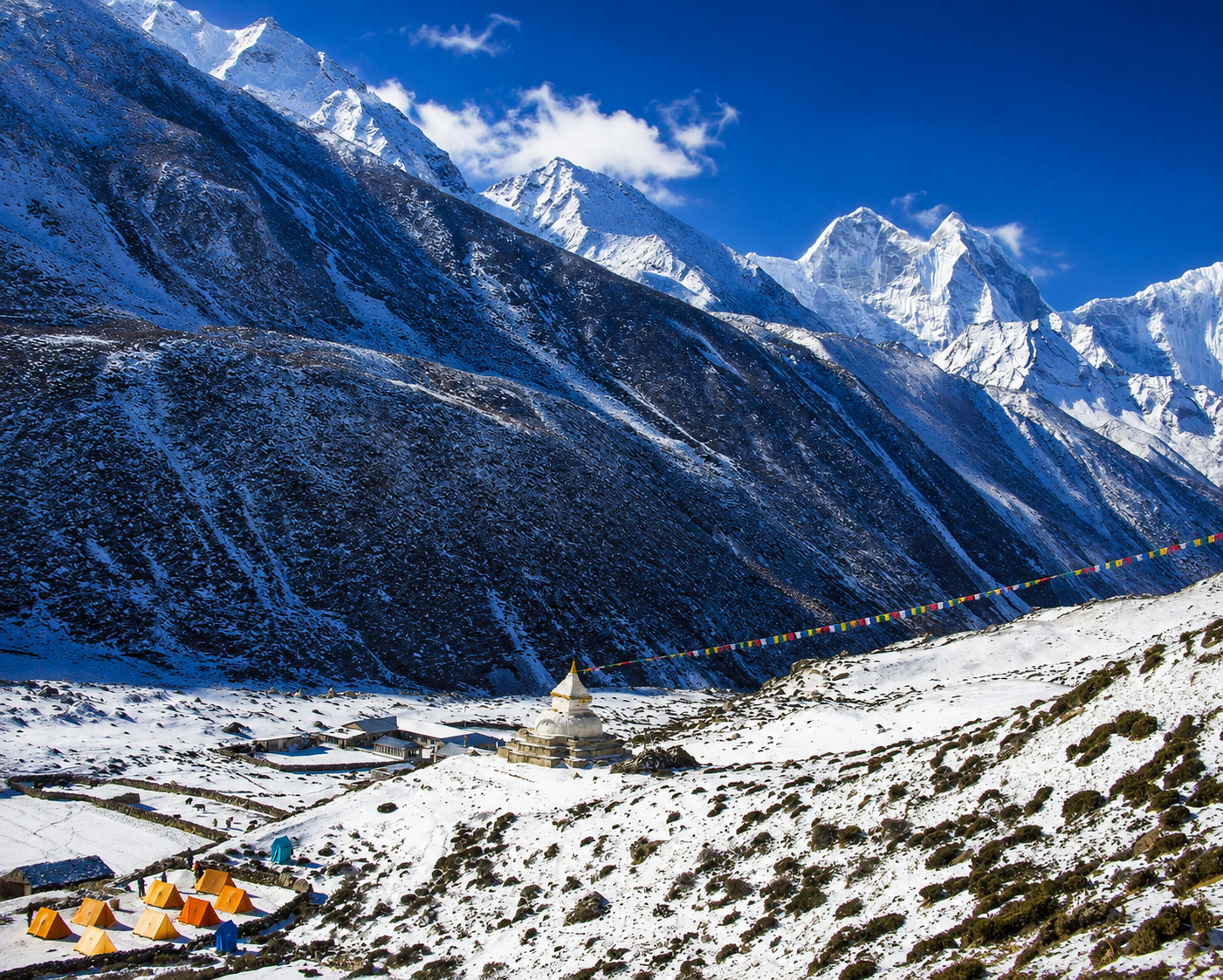
Accommodation during the Everest Three High Passes Trek combines carefully selected city comfort with authentic Himalayan teahouse experiences.
In Kathmandu, enjoy premium hotel accommodation before and after the trek.
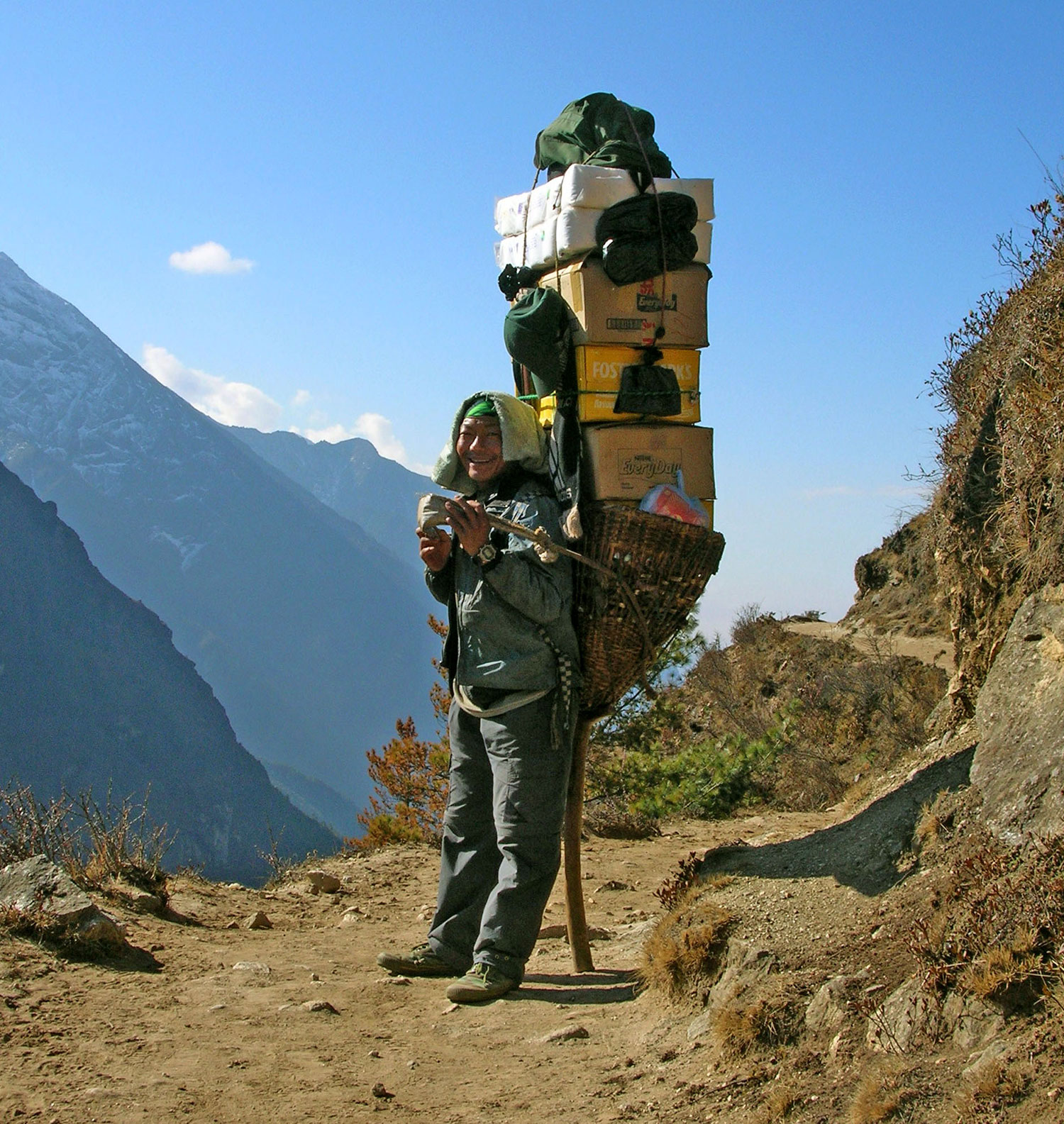
During the trekking route, stay in traditional Himalayan teahouses operated by local mountain families. These lodges are simple, welcoming, and full of character.
At lower elevations, rooms are generally more comfortable, while facilities become more basic as you move higher into remote areas.
The warm dining rooms, mountain meals, friendly hosts, and shared stories with other trekkers become part of the experience itself.
Accommodation Includes
- Premium hotel accommodation in Kathmandu
- Comfortable Himalayan teahouses during the trek
- Twin-sharing rooms
- Basic bedding including mattress, pillow, and blanket
- Shared bathrooms in higher-altitude regions
- Attached bathrooms available in selected lower areas where possible
- Warm communal dining rooms
- Authentic Sherpa hospitality throughout the trail
Food During The Trek
Meals during the trek are designed to support energy, warmth, and recovery at altitude.
Breakfast, lunch, and dinner are included during trekking days.
Menus usually include a mixture of Nepali, Tibetan, Indian, and international dishes.
Dal bhat, Sherpa stew, noodles, fried rice, soups, pasta, potatoes, pancakes, eggs, porridge, tea, and hot drinks are commonly available.
Vegetarian meals are widely available throughout the route.
Drinking Water
Safe drinking water is essential during the trek.
Boiled water, bottled water, and filtered water may be available at lodges depending on location.
We recommend carrying a reusable bottle and using purification tablets, drops, or a filtration system.
Bottled water, boiled water, hot drinks, and extra beverages are usually considered personal expenses.
Is This Trek Right For You?
The Everest Three High Passes Trek is a strenuous and adventurous Himalayan expedition.
It is best suited for travellers with strong fitness, previous hiking experience, good endurance, and a positive attitude toward high-altitude challenge.
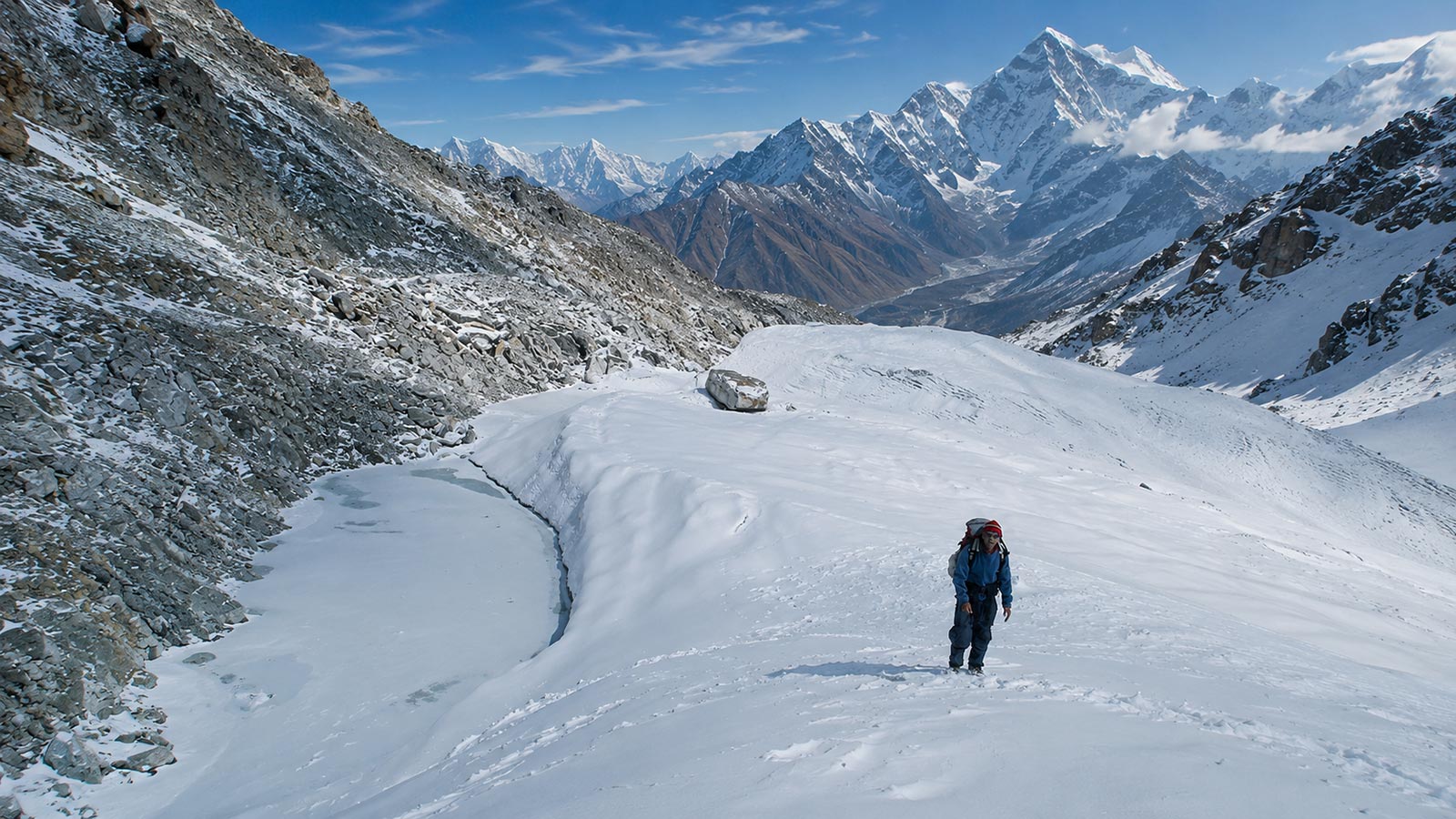
This trek includes long walking days, steep ascents and descents, rocky terrain, glacier moraine, remote trails, and three high mountain passes above 5,300 metres.
You do not need technical mountaineering experience, but this is more demanding than the standard Everest Base Camp trek.
Some sections may require extra care, especially around Cho La Pass where icy or snowy conditions can occur depending on the season.
Most trekking days involve 5–8 hours of walking, with some longer and more demanding days during pass crossings and the Everest Base Camp section.
At Trek O’Clock, our experienced guides support you throughout the journey with steady pacing, rest breaks, hydration reminders, altitude monitoring, and route management.
The goal is not to rush.
The goal is to move safely, confidently, and enjoy the mountain experience.
Recommended Preparation
- Regular hiking or long-distance walking before the trek
- Cardio training such as running, cycling, swimming, or stair climbing
- Leg strength and core training
- Practice hikes with a light daypack
- Comfortable, well-tested trekking boots
- Mental preparation for cold, altitude, basic lodges, and long trekking days
- Willingness to follow guide advice and maintain a steady pace
With the right preparation, strong mindset, and professional support, the Everest Three High Passes Trek becomes one of the most rewarding adventures of a lifetime.
Trekking Safely Through The High Himalayas
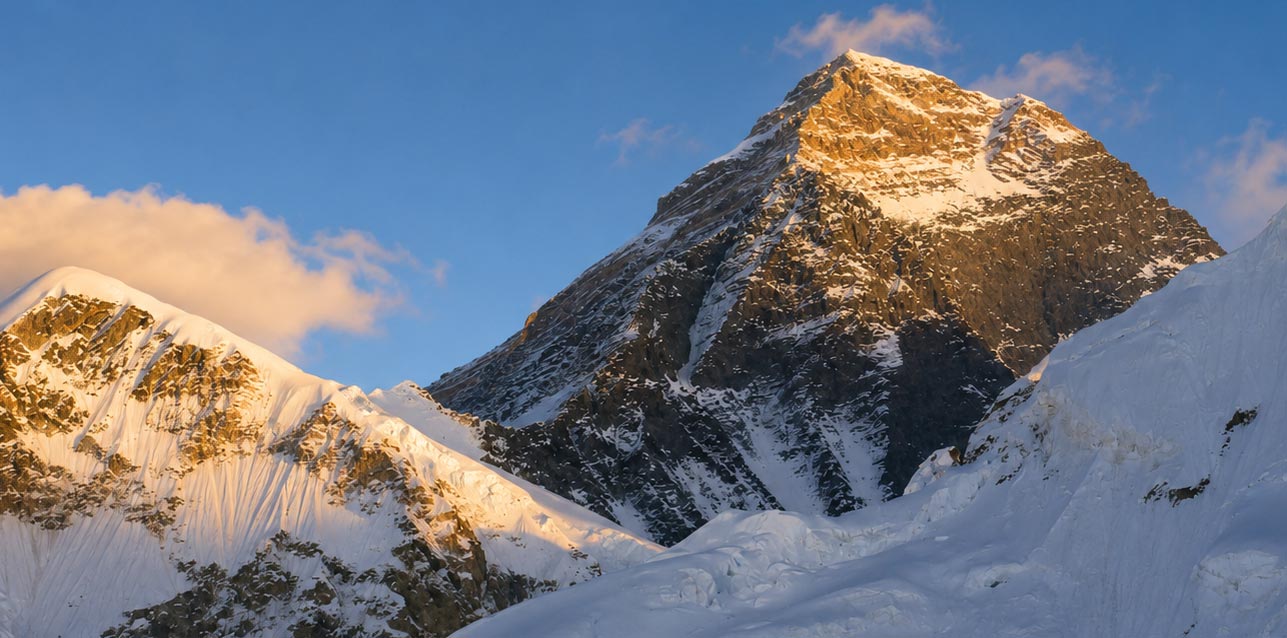
The Everest Three High Passes Trek reaches a maximum elevation of 5,644.5 metres at Kala Patthar.
The route also crosses Kongma La, Cho La, and Renjo La, all above 5,300 metres.
Because of this, altitude awareness and proper acclimatisation are extremely important.
At Trek O’Clock, your safety and comfort remain our highest priorities throughout the journey.
This itinerary includes acclimatisation time in Namche Bazaar, Dingboche, and Gokyo to help your body adjust gradually as you move higher into the Himalayas.
Our guides monitor trekkers carefully and encourage a slow, steady rhythm rather than rushing.
Understanding Altitude
As elevation increases, it is normal for some travellers to feel mild symptoms while adjusting to thinner air.
Common symptoms may include:
- Mild headache
- Fatigue
- Light dizziness
- Difficulty sleeping
- Reduced appetite
- Shortness of breath during exertion
Most mild symptoms improve with rest, hydration, food, and proper acclimatisation.
However, altitude sickness must always be taken seriously.
Trekkers should inform their guide immediately if symptoms appear or worsen.
Safety Measures Included
- Experienced licensed Himalayan trekking guides
- Carefully paced acclimatisation itinerary
- Daily wellness and altitude awareness monitoring
- First-aid support
- Emergency response planning
- Communication support during the trek
- Guide decision-making based on safety and individual condition
- Emergency evacuation coordination if required
With proper pacing, preparation, hydration, and professional guidance, this challenging trek can be completed safely and confidently by well-prepared trekkers.
Spring & Autumn Seasons
The best seasons for the Everest Three High Passes Trek are Spring and Autumn.
These periods usually offer the most stable weather, clearer mountain views, and better trekking conditions.
Spring — March To May
Spring brings warmer temperatures, blooming rhododendron forests in lower regions, longer daylight hours, and active trekking energy across the Everest region.
This is also one of the major climbing seasons, so Everest Base Camp may be filled with expedition tents and mountaineering activity.
The mountain atmosphere during spring can feel especially exciting.
Autumn — September To November
Autumn is one of the most popular trekking seasons in Nepal.
After the monsoon, the skies are often clear, the air is fresh, and the mountain views are sharp and dramatic.
This season is ideal for photography, high-altitude trekking, and crossing the three passes in more stable conditions.
Challenging Seasons
Winter and monsoon are more challenging.
Winter can bring extreme cold, snow, icy trails, and possible pass closures.
Monsoon can bring rain, clouds, slippery trails, leeches in lower regions, and reduced mountain visibility.
High passes may become more difficult outside the main trekking seasons.
Trek O’Clock will always help recommend the most suitable season based on your experience, safety, and travel goals.
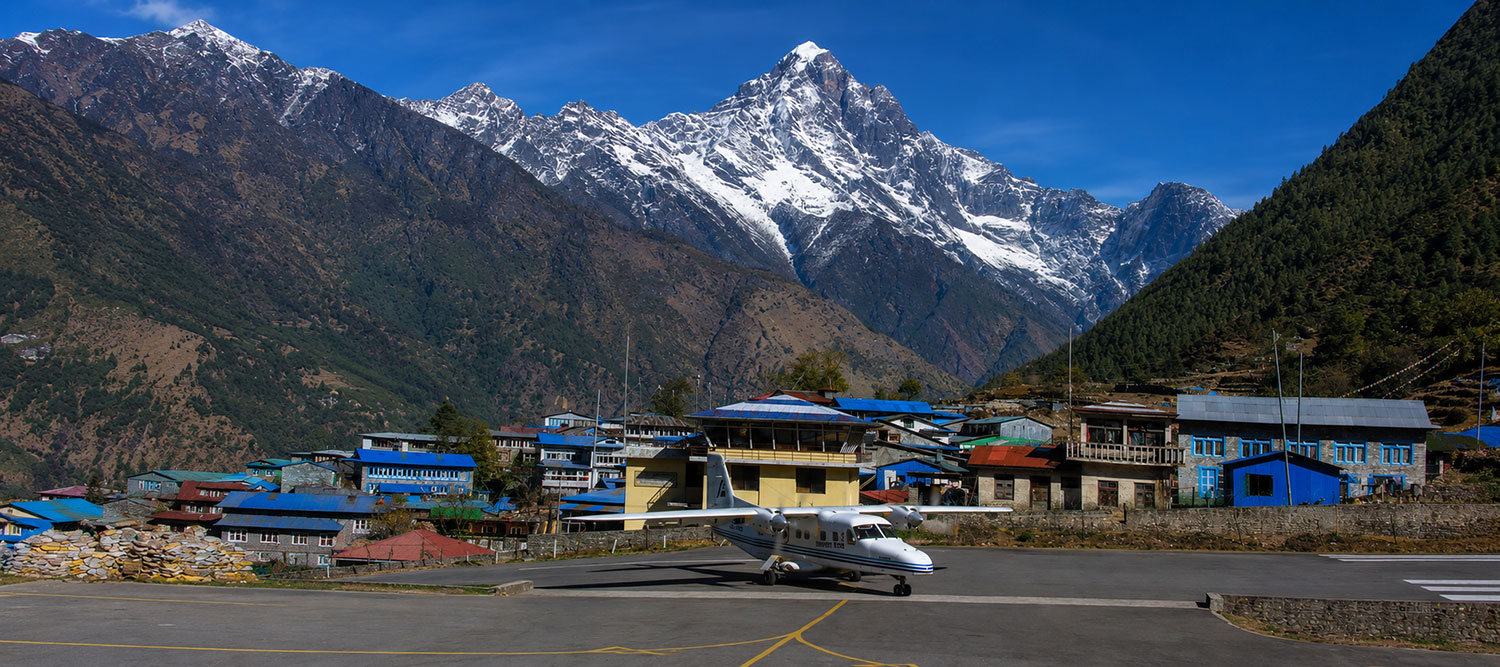
Your Everest Three High Passes journey includes private airport transfers and domestic flights as outlined in the itinerary.
Included Transportation
- Private international airport transfers in Kathmandu
- Kathmandu hotel to domestic airport transfer
- Kathmandu to Lukla domestic flight during normal operations
- Lukla to Kathmandu domestic flight during normal operations
- Private transfer from airport to hotel after the trek
Important Flight Note
During busy trekking months, especially Spring and Autumn peak periods, Lukla flights may operate from Ramechhap / Manthali Airport instead of Kathmandu due to air traffic management.
If this applies, Trek O’Clock will arrange the necessary road transfers and flight logistics.
Weather conditions in the Himalayas can also affect flight schedules.
We recommend keeping at least one flexible day in your travel plan after the trek in case of delays.
The Everest Three High Passes Trek requires official trekking and conservation permits.
Permit rules and fees can change, so Trek O’Clock will confirm the latest requirements before your departure and arrange the necessary documentation for your trip.
Commonly Required Permits
- Sagarmatha National Park Entry Permit
- Khumbu Pasang Lhamu Rural Municipality Permit
- Trekkers’ Information Management System card if required by current regulation
All necessary permit arrangements are handled by Trek O’Clock as part of your trekking service.
Travellers should carry a valid passport and passport-sized photos or digital copies as required.
Travel Insurance
A highly recommended and essential document for the trek.
Make sure to get it from a trusted insurance company.
It is best to get insurance that mostly covers cancellations, high altitudes, medical treatments, emergency evacuations, loss, theft, and damage of gadgets & valuables, and travel delays.
Necessary Documents
- Passport-sized photos (scanned)
- Individual Passport with a valid date
- Travel Insurance (must cover high altitude and emergency rescue)
- Entry Permits (Sagarmatha National Park, Khumbu Pasang Lhamu Rural Municipality Permit, and TIMS Card)
Essential Trekking Gear
Packing properly is important for comfort and safety on the Everest Three High Passes Trek.
The weather can change quickly in the Himalayas, and temperatures become very cold at higher elevations.
Clothing
- Down jacket
- Waterproof shell jacket
- Fleece jacket
- Thermal base layers
- Trekking pants
- Moisture-wicking shirts
- Warm hat
- Sun hat or cap
- Gloves and inner gloves
- Buff, scarf, or neck warmer
- Hiking socks
- Comfortable camp clothing
Footwear
- Comfortable, well-tested hiking boots
- Camp shoes or sandals
- Warm socks
- Gaiters if trekking in snow or wet conditions
Accessories
- Sunglasses with UV protection
- Sunscreen and lip balm
- Reusable water bottle
- Water purification tablets or filtration system
- Headlamp with spare batteries
- Power bank
- Trekking poles
- Small daypack
- Dry bags or waterproof covers
- Camera or phone for photography
Personal Items
- Passport
- Travel insurance documents
- Passport photos or digital copies
- Personal medication
- Toiletries and hygiene products
- Hand sanitiser
- Quick-dry towel
- Snacks or energy bars
- Basic personal first-aid items
- Optional Technical Support Items
Depending on season and trail conditions, the following items may be useful:
- Microspikes
- Lightweight crampons
- Gaiters
- Extra warm gloves
- Additional thermal layers
Your Trek O’Clock guide will advise if any special gear is recommended for your travel season.
Mountain Comforts & Himalayan Hospitality
Accommodation during the Everest Three High Passes Trek combines carefully selected city comfort with authentic Himalayan teahouse experiences.
In Kathmandu, enjoy premium hotel accommodation before and after the trek.
During the trekking route, stay in traditional Himalayan teahouses operated by local mountain families. These lodges are simple, welcoming, and full of character.
At lower elevations, rooms are generally more comfortable, while facilities become more basic as you move higher into remote areas.
The warm dining rooms, mountain meals, friendly hosts, and shared stories with other trekkers become part of the experience itself.
Accommodation Includes
- Premium hotel accommodation in Kathmandu
- Comfortable Himalayan teahouses during the trek
- Twin-sharing rooms
- Basic bedding including mattress, pillow, and blanket
- Shared bathrooms in higher-altitude regions
- Attached bathrooms available in selected lower areas where possible
- Warm communal dining rooms
- Authentic Sherpa hospitality throughout the trail
Food During The Trek
Meals during the trek are designed to support energy, warmth, and recovery at altitude.
Breakfast, lunch, and dinner are included during trekking days.
Menus usually include a mixture of Nepali, Tibetan, Indian, and international dishes.
Dal bhat, Sherpa stew, noodles, fried rice, soups, pasta, potatoes, pancakes, eggs, porridge, tea, and hot drinks are commonly available.
Vegetarian meals are widely available throughout the route.
Drinking Water
Safe drinking water is essential during the trek.
Boiled water, bottled water, and filtered water may be available at lodges depending on location.
We recommend carrying a reusable bottle and using purification tablets, drops, or a filtration system.
Bottled water, boiled water, hot drinks, and extra beverages are usually considered personal expenses.
Is This Trek Right For You?
The Everest Three High Passes Trek is a strenuous and adventurous Himalayan expedition.
It is best suited for travellers with strong fitness, previous hiking experience, good endurance, and a positive attitude toward high-altitude challenge.
This trek includes long walking days, steep ascents and descents, rocky terrain, glacier moraine, remote trails, and three high mountain passes above 5,300 metres.
You do not need technical mountaineering experience, but this is more demanding than the standard Everest Base Camp trek.
Some sections may require extra care, especially around Cho La Pass where icy or snowy conditions can occur depending on the season.
Most trekking days involve 5–8 hours of walking, with some longer and more demanding days during pass crossings and the Everest Base Camp section.
At Trek O’Clock, our experienced guides support you throughout the journey with steady pacing, rest breaks, hydration reminders, altitude monitoring, and route management.
The goal is not to rush.
The goal is to move safely, confidently, and enjoy the mountain experience.
Recommended Preparation
- Regular hiking or long-distance walking before the trek
- Cardio training such as running, cycling, swimming, or stair climbing
- Leg strength and core training
- Practice hikes with a light daypack
- Comfortable, well-tested trekking boots
- Mental preparation for cold, altitude, basic lodges, and long trekking days
- Willingness to follow guide advice and maintain a steady pace
With the right preparation, strong mindset, and professional support, the Everest Three High Passes Trek becomes one of the most rewarding adventures of a lifetime.
Trekking Safely Through The High Himalayas
The Everest Three High Passes Trek reaches a maximum elevation of 5,644.5 metres at Kala Patthar.
The route also crosses Kongma La, Cho La, and Renjo La, all above 5,300 metres.
Because of this, altitude awareness and proper acclimatisation are extremely important.
At Trek O’Clock, your safety and comfort remain our highest priorities throughout the journey.
This itinerary includes acclimatisation time in Namche Bazaar, Dingboche, and Gokyo to help your body adjust gradually as you move higher into the Himalayas.
Our guides monitor trekkers carefully and encourage a slow, steady rhythm rather than rushing.
Understanding Altitude
As elevation increases, it is normal for some travellers to feel mild symptoms while adjusting to thinner air.
Common symptoms may include:
- Mild headache
- Fatigue
- Light dizziness
- Difficulty sleeping
- Reduced appetite
- Shortness of breath during exertion
Most mild symptoms improve with rest, hydration, food, and proper acclimatisation.
However, altitude sickness must always be taken seriously.
Trekkers should inform their guide immediately if symptoms appear or worsen.
Safety Measures Included
- Experienced licensed Himalayan trekking guides
- Carefully paced acclimatisation itinerary
- Daily wellness and altitude awareness monitoring
- First-aid support
- Emergency response planning
- Communication support during the trek
- Guide decision-making based on safety and individual condition
- Emergency evacuation coordination if required
With proper pacing, preparation, hydration, and professional guidance, this challenging trek can be completed safely and confidently by well-prepared trekkers.
Spring & Autumn Seasons
The best seasons for the Everest Three High Passes Trek are Spring and Autumn.
These periods usually offer the most stable weather, clearer mountain views, and better trekking conditions.
Spring — March To May
Spring brings warmer temperatures, blooming rhododendron forests in lower regions, longer daylight hours, and active trekking energy across the Everest region.
This is also one of the major climbing seasons, so Everest Base Camp may be filled with expedition tents and mountaineering activity.
The mountain atmosphere during spring can feel especially exciting.
Autumn — September To November
Autumn is one of the most popular trekking seasons in Nepal.
After the monsoon, the skies are often clear, the air is fresh, and the mountain views are sharp and dramatic.
This season is ideal for photography, high-altitude trekking, and crossing the three passes in more stable conditions.
Challenging Seasons
Winter and monsoon are more challenging.
Winter can bring extreme cold, snow, icy trails, and possible pass closures.
Monsoon can bring rain, clouds, slippery trails, leeches in lower regions, and reduced mountain visibility.
High passes may become more difficult outside the main trekking seasons.
Trek O’Clock will always help recommend the most suitable season based on your experience, safety, and travel goals.
Your Everest Three High Passes journey includes private airport transfers and domestic flights as outlined in the itinerary.
Included Transportation
- Private international airport transfers in Kathmandu
- Kathmandu hotel to domestic airport transfer
- Kathmandu to Lukla domestic flight during normal operations
- Lukla to Kathmandu domestic flight during normal operations
- Private transfer from airport to hotel after the trek
Important Flight Note
During busy trekking months, especially Spring and Autumn peak periods, Lukla flights may operate from Ramechhap / Manthali Airport instead of Kathmandu due to air traffic management.
If this applies, Trek O’Clock will arrange the necessary road transfers and flight logistics.
Weather conditions in the Himalayas can also affect flight schedules.
We recommend keeping at least one flexible day in your travel plan after the trek in case of delays.
The Everest Three High Passes Trek requires official trekking and conservation permits.
Permit rules and fees can change, so Trek O’Clock will confirm the latest requirements before your departure and arrange the necessary documentation for your trip.
Commonly Required Permits
- Sagarmatha National Park Entry Permit
- Khumbu Pasang Lhamu Rural Municipality Permit
- Trekkers’ Information Management System card if required by current regulation
All necessary permit arrangements are handled by Trek O’Clock as part of your trekking service.
Travellers should carry a valid passport and passport-sized photos or digital copies as required.
Travel Insurance
A highly recommended and essential document for the trek.
Make sure to get it from a trusted insurance company.
It is best to get insurance that mostly covers cancellations, high altitudes, medical treatments, emergency evacuations, loss, theft, and damage of gadgets & valuables, and travel delays.
Necessary Documents
- Passport-sized photos (scanned)
- Individual Passport with a valid date
- Travel Insurance (must cover high altitude and emergency rescue)
- Entry Permits (Sagarmatha National Park, Khumbu Pasang Lhamu Rural Municipality Permit, and TIMS Card)
Essential Trekking Gear
Packing properly is important for comfort and safety on the Everest Three High Passes Trek.
The weather can change quickly in the Himalayas, and temperatures become very cold at higher elevations.
Clothing
- Down jacket
- Waterproof shell jacket
- Fleece jacket
- Thermal base layers
- Trekking pants
- Moisture-wicking shirts
- Warm hat
- Sun hat or cap
- Gloves and inner gloves
- Buff, scarf, or neck warmer
- Hiking socks
- Comfortable camp clothing
Footwear
- Comfortable, well-tested hiking boots
- Camp shoes or sandals
- Warm socks
- Gaiters if trekking in snow or wet conditions
Accessories
- Sunglasses with UV protection
- Sunscreen and lip balm
- Reusable water bottle
- Water purification tablets or filtration system
- Headlamp with spare batteries
- Power bank
- Trekking poles
- Small daypack
- Dry bags or waterproof covers
- Camera or phone for photography
Personal Items
- Passport
- Travel insurance documents
- Passport photos or digital copies
- Personal medication
- Toiletries and hygiene products
- Hand sanitiser
- Quick-dry towel
- Snacks or energy bars
- Basic personal first-aid items
- Optional Technical Support Items
Depending on season and trail conditions, the following items may be useful:
- Microspikes
- Lightweight crampons
- Gaiters
- Extra warm gloves
- Additional thermal layers
Your Trek O’Clock guide will advise if any special gear is recommended for your travel season.