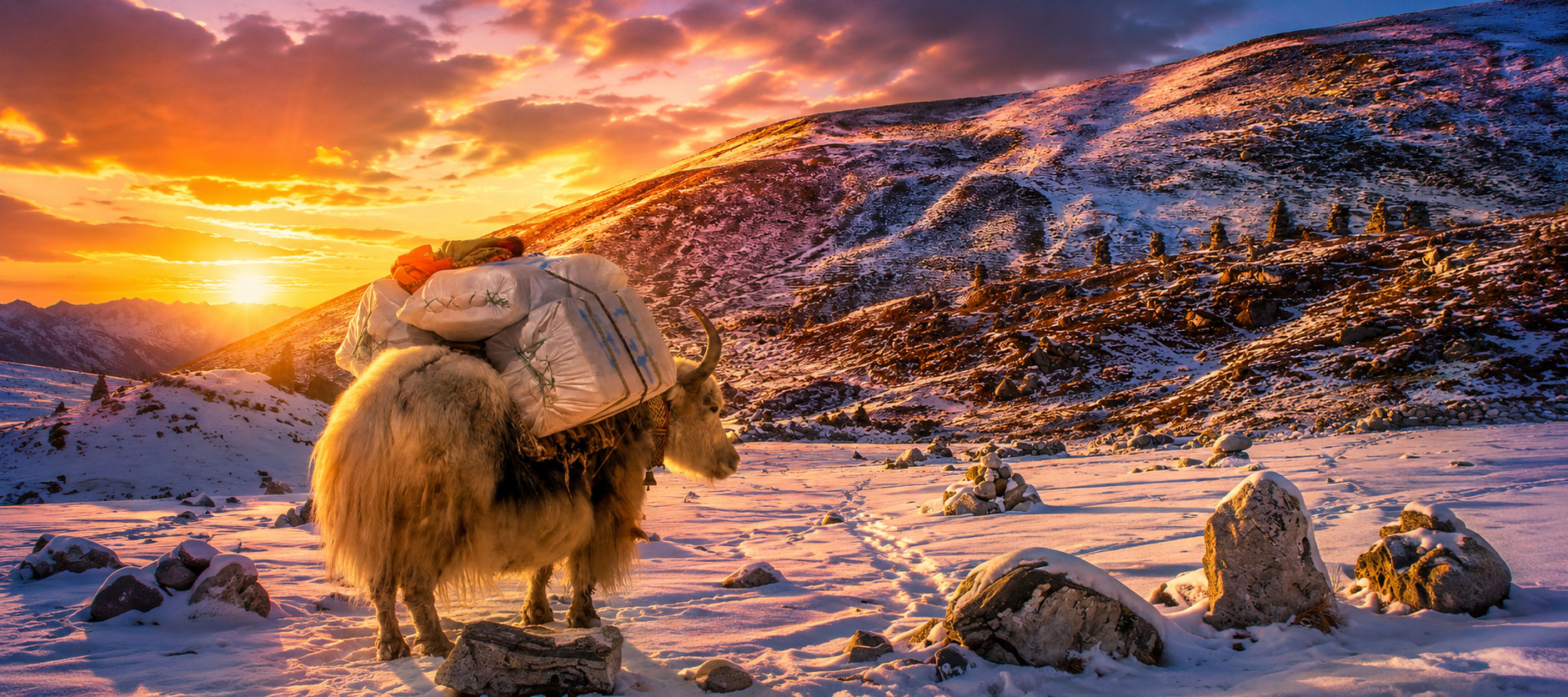
Mountain Comforts & Himalayan Hospitality
Accommodation during the Langtang Valley Trek combines carefully selected city comfort with authentic mountain lodge and teahouse experiences.
In Kathmandu, enjoy premium hotel accommodation before and after the trek. During the trekking route, stay in local lodges, teahouses, or tented camps where required by the route.
Facilities in remote areas are simple, but the warmth of local hospitality, mountain meals, and shared stories in the dining room become a memorable part of the journey.
Accommodation Includes
- Premium hotel accommodation in Kathmandu
- Comfortable local lodges and teahouses during the trek
- Twin-sharing rooms
- Basic bedding including mattress, pillow, and blanket
- Shared bathrooms in many trekking locations
- Warm communal dining areas
- Authentic local hospitality throughout the trail
Food During The Trek
Meals during the trek are designed to support energy, warmth, and recovery.
Breakfast, lunch, and dinner are included during trekking days. Menus usually include Nepali, Tibetan, Indian, and simple international dishes, depending on the location and availability.
Dal bhat, noodles, fried rice, soups, potatoes, eggs, pancakes, porridge, tea, and hot drinks are commonly available. Vegetarian meals are widely available throughout the route.
Drinking Water
Safe drinking water is important throughout the trek. Boiled water, bottled water, and filtered water may be available at lodges depending on location.
We recommend carrying a reusable bottle and using purification tablets, drops, or a filtration system. Bottled water, boiled water, hot drinks, and extra beverages are usually considered personal expenses.
Is This Trek Right For You?
The Langtang Valley Trek is a moderate Himalayan journey suitable for travellers with good preparation, steady walking ability, and a positive mindset.
The trek reaches 5,033 metres at Tsergo Ri. It includes daily walking on uneven trails, uphill and downhill sections, changing weather, simple mountain accommodation, and remote-area conditions.
At Trek O'Clock, our guides support you with steady pacing, rest stops, hydration reminders, route management, altitude awareness, and encouragement throughout the journey.
Recommended Preparation
- Regular walking, hiking, or cardio exercise before the trek
- Basic endurance and leg-strength preparation
- Comfortable, well-tested hiking boots
- Ability to walk several hours over multiple days
- A positive mindset and willingness to embrace remote mountain conditions
- Willingness to follow guide advice and maintain a steady pace
Trekking Safely Through The Langtang Region
The Langtang Valley Trek reaches 5,033 metres at Tsergo Ri, so altitude awareness, steady pacing, hydration, and guide support are important.
At Trek O'Clock, your safety and comfort remain our highest priorities throughout the journey. The itinerary is paced to support acclimatisation, route confidence, and informed decision-making in changing mountain conditions.
Understanding Altitude
As elevation increases, some travellers may experience mild symptoms while adjusting to thinner air.
- Mild headache
- Fatigue
- Light dizziness
- Difficulty sleeping
- Reduced appetite
- Shortness of breath during exertion
Most mild symptoms improve with rest, hydration, food, and proper pacing. However, altitude sickness must always be taken seriously, and trekkers should inform their guide immediately if symptoms appear or worsen.
Safety Measures Included
- Experienced licensed Himalayan trekking guides
- Carefully paced trekking itinerary
- Daily wellness and altitude awareness monitoring
- First-aid support
- Emergency response planning
- Communication support during the trek
- Guide decision-making based on safety and individual condition
- Emergency evacuation coordination if required
Spring & Autumn Seasons
The best seasons for the Langtang Valley Trek are Spring and Autumn. These periods usually offer stable weather, clearer mountain views, and better trekking conditions.
Spring - March To May
Spring brings warmer temperatures, blooming rhododendron forests, longer daylight hours, and colourful mountain scenery. This is one of the most beautiful seasons for walking through forests, villages, and higher valleys.
Autumn - September To November
Autumn offers fresh post-monsoon air, clearer skies, sharp mountain views, and comfortable trekking conditions. It is one of the best seasons for photography and high-altitude trekking in Nepal.
Challenging Seasons
Winter and monsoon are more challenging. Winter can bring cold mornings, snow or icy trails at higher elevations, and shorter daylight hours. Monsoon can bring rain, clouds, slippery trails, leeches in lower regions, and reduced mountain visibility.
Your Langtang Valley Trek includes private airport transfers and route transportation as outlined in the itinerary.
Included Transportation
- Private international airport transfers in Kathmandu
- Kathmandu to Syaphrubesi road transfer
- Return road transfer to Kathmandu from the ending point
- Private vehicle upgrade available on request
No Domestic Flight Required
One of the advantages of Langtang-region treks is that they are road-accessible from Kathmandu. This avoids domestic flight dependency and makes the journey practical for travellers who prefer smoother logistics.
The Langtang Valley Trek requires official trekking, conservation, national park, or restricted-area permits depending on the exact route and current regulation.
Permit rules and fees can change, so Trek O’Clock will confirm the latest official requirements before departure and arrange the necessary documentation for your trip.
Commonly Required Permits
- Langtang National Park Entry Permit
- Trekkers’ Information Management System card if required by current regulation
Travellers should carry a valid passport and passport-sized photos or digital copies as required.
Essential Trekking Gear
Packing properly is important for comfort and safety on the Langtang Valley Trek. Weather can change quickly in the Himalayas, especially around ridgelines, high valleys, and pass areas.
Clothing
- Down jacket or warm insulated jacket
- Waterproof shell jacket
- Fleece jacket
- Thermal base layers
- Trekking pants
- Moisture-wicking shirts
- Warm hat and sun hat
- Gloves and inner gloves
- Buff, scarf, or neck warmer
- Hiking socks
Footwear
- Comfortable, well-tested hiking boots
- Camp shoes or sandals
- Warm socks
- Gaiters if trekking in snow, mud, or wet conditions
Accessories
- Sunglasses with UV protection
- Sunscreen and lip balm
- Reusable water bottle
- Water purification tablets or filtration system
- Headlamp with spare batteries
- Power bank
- Trekking poles
- Small daypack
- Dry bags or rain cover
- Camera or phone for photography
Personal Items
- Passport
- Travel insurance documents
- Passport photos or digital copies
- Personal medication
- Toiletries and hygiene products
- Hand sanitiser
- Quick-dry towel
- Snacks or energy bars
- Basic personal first-aid items
Your Trek O'Clock guide will advise if any additional gear is recommended for your travel season
Mountain Comforts & Himalayan Hospitality
Accommodation during the Langtang Valley Trek combines carefully selected city comfort with authentic mountain lodge and teahouse experiences.
In Kathmandu, enjoy premium hotel accommodation before and after the trek. During the trekking route, stay in local lodges, teahouses, or tented camps where required by the route.
Facilities in remote areas are simple, but the warmth of local hospitality, mountain meals, and shared stories in the dining room become a memorable part of the journey.
Accommodation Includes
- Premium hotel accommodation in Kathmandu
- Comfortable local lodges and teahouses during the trek
- Twin-sharing rooms
- Basic bedding including mattress, pillow, and blanket
- Shared bathrooms in many trekking locations
- Warm communal dining areas
- Authentic local hospitality throughout the trail
Food During The Trek
Meals during the trek are designed to support energy, warmth, and recovery.
Breakfast, lunch, and dinner are included during trekking days. Menus usually include Nepali, Tibetan, Indian, and simple international dishes, depending on the location and availability.
Dal bhat, noodles, fried rice, soups, potatoes, eggs, pancakes, porridge, tea, and hot drinks are commonly available. Vegetarian meals are widely available throughout the route.
Drinking Water
Safe drinking water is important throughout the trek. Boiled water, bottled water, and filtered water may be available at lodges depending on location.
We recommend carrying a reusable bottle and using purification tablets, drops, or a filtration system. Bottled water, boiled water, hot drinks, and extra beverages are usually considered personal expenses.
Is This Trek Right For You?
The Langtang Valley Trek is a moderate Himalayan journey suitable for travellers with good preparation, steady walking ability, and a positive mindset.
The trek reaches 5,033 metres at Tsergo Ri. It includes daily walking on uneven trails, uphill and downhill sections, changing weather, simple mountain accommodation, and remote-area conditions.
At Trek O'Clock, our guides support you with steady pacing, rest stops, hydration reminders, route management, altitude awareness, and encouragement throughout the journey.
Recommended Preparation
- Regular walking, hiking, or cardio exercise before the trek
- Basic endurance and leg-strength preparation
- Comfortable, well-tested hiking boots
- Ability to walk several hours over multiple days
- A positive mindset and willingness to embrace remote mountain conditions
- Willingness to follow guide advice and maintain a steady pace
Trekking Safely Through The Langtang Region
The Langtang Valley Trek reaches 5,033 metres at Tsergo Ri, so altitude awareness, steady pacing, hydration, and guide support are important.
At Trek O'Clock, your safety and comfort remain our highest priorities throughout the journey. The itinerary is paced to support acclimatisation, route confidence, and informed decision-making in changing mountain conditions.
Understanding Altitude
As elevation increases, some travellers may experience mild symptoms while adjusting to thinner air.
- Mild headache
- Fatigue
- Light dizziness
- Difficulty sleeping
- Reduced appetite
- Shortness of breath during exertion
Most mild symptoms improve with rest, hydration, food, and proper pacing. However, altitude sickness must always be taken seriously, and trekkers should inform their guide immediately if symptoms appear or worsen.
Safety Measures Included
- Experienced licensed Himalayan trekking guides
- Carefully paced trekking itinerary
- Daily wellness and altitude awareness monitoring
- First-aid support
- Emergency response planning
- Communication support during the trek
- Guide decision-making based on safety and individual condition
- Emergency evacuation coordination if required
Spring & Autumn Seasons
The best seasons for the Langtang Valley Trek are Spring and Autumn. These periods usually offer stable weather, clearer mountain views, and better trekking conditions.
Spring - March To May
Spring brings warmer temperatures, blooming rhododendron forests, longer daylight hours, and colourful mountain scenery. This is one of the most beautiful seasons for walking through forests, villages, and higher valleys.
Autumn - September To November
Autumn offers fresh post-monsoon air, clearer skies, sharp mountain views, and comfortable trekking conditions. It is one of the best seasons for photography and high-altitude trekking in Nepal.
Challenging Seasons
Winter and monsoon are more challenging. Winter can bring cold mornings, snow or icy trails at higher elevations, and shorter daylight hours. Monsoon can bring rain, clouds, slippery trails, leeches in lower regions, and reduced mountain visibility.
Your Langtang Valley Trek includes private airport transfers and route transportation as outlined in the itinerary.
Included Transportation
- Private international airport transfers in Kathmandu
- Kathmandu to Syaphrubesi road transfer
- Return road transfer to Kathmandu from the ending point
- Private vehicle upgrade available on request
No Domestic Flight Required
One of the advantages of Langtang-region treks is that they are road-accessible from Kathmandu. This avoids domestic flight dependency and makes the journey practical for travellers who prefer smoother logistics.
The Langtang Valley Trek requires official trekking, conservation, national park, or restricted-area permits depending on the exact route and current regulation.
Permit rules and fees can change, so Trek O’Clock will confirm the latest official requirements before departure and arrange the necessary documentation for your trip.
Commonly Required Permits
- Langtang National Park Entry Permit
- Trekkers’ Information Management System card if required by current regulation
Travellers should carry a valid passport and passport-sized photos or digital copies as required.
Essential Trekking Gear
Packing properly is important for comfort and safety on the Langtang Valley Trek. Weather can change quickly in the Himalayas, especially around ridgelines, high valleys, and pass areas.
Clothing
- Down jacket or warm insulated jacket
- Waterproof shell jacket
- Fleece jacket
- Thermal base layers
- Trekking pants
- Moisture-wicking shirts
- Warm hat and sun hat
- Gloves and inner gloves
- Buff, scarf, or neck warmer
- Hiking socks
Footwear
- Comfortable, well-tested hiking boots
- Camp shoes or sandals
- Warm socks
- Gaiters if trekking in snow, mud, or wet conditions
Accessories
- Sunglasses with UV protection
- Sunscreen and lip balm
- Reusable water bottle
- Water purification tablets or filtration system
- Headlamp with spare batteries
- Power bank
- Trekking poles
- Small daypack
- Dry bags or rain cover
- Camera or phone for photography
Personal Items
- Passport
- Travel insurance documents
- Passport photos or digital copies
- Personal medication
- Toiletries and hygiene products
- Hand sanitiser
- Quick-dry towel
- Snacks or energy bars
- Basic personal first-aid items
Your Trek O'Clock guide will advise if any additional gear is recommended for your travel season